World Astrology
By barungiri1997@gmail.com / May 21, 2026 / No Comments / Birth Chart Basics
We talk about astrology as if it’s purely personal—something that just dictates our own mood swings or explains why we’re feeling a bit off on a Tuesday. But if you start paying attention to the world around you, you’ll realize that the vibe isn’t just happening to you. It’s happening to everyone.
That is really what world astrology is at its core. It isn’t about predicting the next big disaster or trying to play fortune teller; it’s more like looking at the weather forecast for humanity.
Think about it: have you ever walked into a room or even just scrolled through your social media feed and felt a collective sense of tension, or maybe a sudden, shared burst of optimism? That’s not just a coincidence. It’s the background rhythm of the planets, and we are all dancing to it, whether we realize it or not.
When the larger, slower-moving planets shift into new positions, the whole mood of the world seems to tilt. It’s like the difference between a season of winter and a season of summer. In the winter, you naturally want to slow down, reflect, and stay inside. In the summer, you’re out, you’re social, and you’re hungry for new experiences.
World astrology is just observing these seasonal shifts in the human collective. When a big planet changes signs, it’s like the calendar flipping to a new month; suddenly, the things that felt important last week might not matter as much, and new themes start to dominate our conversations.
For most of us, this can be incredibly grounding. When you feel like the world is chaotic or moving too fast, looking at these larger patterns can act like an anchor.
It reminds you that the chaos isn’t permanent—it’s just the current weather. If you know that we are entering a period where communication is naturally going to be a bit messy or where people are going to be more defensive than usual, you stop taking things so personally. You start to see it for what it is: a temporary shift in the air.
Learning to spot these patterns is a bit like learning to surf. You can’t control the ocean, but you can learn how the waves work.
You start to notice that when people are suddenly obsessed with changing the rules or feeling a bit rebellious, it usually lines up with specific shifts in planetary energy.
When you start observing this in your own life—not through a lens of fear or fatalism, but through a lens of curiosity—it changes how you interact with the world. You’re no longer just reacting to the news or the mood of the people around you; you’re observing it, understanding it, and finding your own flow within it.
At the end of the day, we’re all part of this same big, messy human experience. We aren’t just isolated islands trying to figure out our own paths; we are moving together, influenced by the same cosmic tides.
Diving into world astrology is really just about becoming more aware of those tides. It’s about looking up, seeing the bigger picture, and realizing that even when things feel completely unpredictable, there is a rhythm to it all.
Once you start hearing that rhythm, the world feels a lot less like a random series of events and a lot more like a story we’re all writing together.
Outer Planet Ingresses:
When slow-moving planets like Pluto, Saturn, or Uranus move into a new zodiac sign, it is seen as a signal of a generational shift.
Conjunctions and Aspects:
Major alignments, such as a Saturn-Pluto conjunction, are traditionally associated with systemic restructuring, power shifts, or periods of intense historical change.
Eclipses:
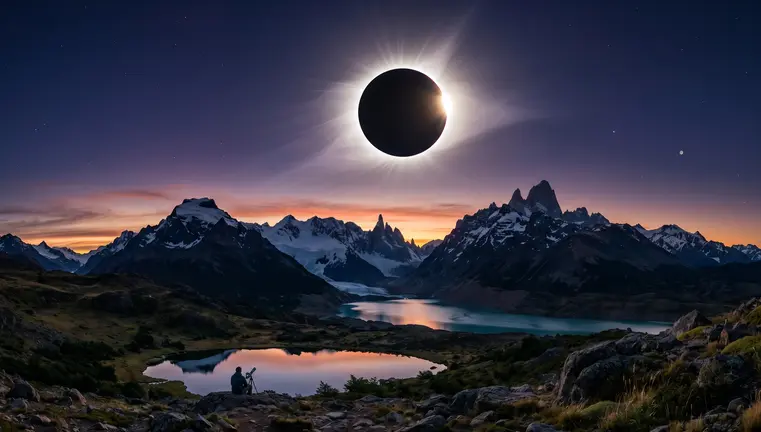
These are often viewed as “accelerators” or “checkpoints” in the timeline of a nation or the globe, often preceding significant news or public disclosures.
Historical Examples Often CitedAstrologers frequently point to past planetary alignments that coincided with major historical turning points: The Great Depression (1930s): Often analyzed through the lens of Pluto’s transit through Cancer, a sign deeply tied to themes of “home” and “nationhood,” which coincided with global economic collapse.
The End of the Cold War (1980s):
The tense aspects between Uranus and Pluto during this era are frequently cited as the energetic backdrop for the sudden collapse of established power structures and the fall of the Berlin Wall.
The Arab Spring:
The conjunction of Uranus and Pluto in Aries in the early 2010s is a classic example of a “rebellion signature,” which astrologers correlate with the widespread political uprisings and social upheavals that took place during that period.
The “Cosmic Weather” of 2026In the current cycle, world astrology is focusing on several major shifts that suggest a period of rapid societal transformation:
Neptune in Aries:
This transit, which begins in early 2026 and lasts for over a decade, is viewed as a generational shift toward “spiritual action.” It suggests a time where the collective will move from dreaming about change to physically fighting for it.
Saturn in Aries:
Returning to Aries in 2026, Saturn is expected to act as a “reality check” for the fiery, impulsive energy of the collective, potentially bringing a focus on discipline and structure to global leadership.
Uranus in Gemini:
This shift is expected to revolutionize mass communication—including journalism, social media, and publishing—potentially bringing chaotic but highly innovative changes to how information spreads across the globe.
By observing these patterns, world astrology attempts to provide a “forecast” for the collective, helping people understand why society might feel particularly restless, rebellious, or transformative during specific years.