Panchang
By barungiri1997@gmail.com / July 20, 2026 / No Comments / Birth Chart Basics
What is a Panchang? (The Simple Definition)
At its heart, a Panchang is the traditional Hindu Vedic calendar. The word itself comes from Sanskrit, combining Pancha (meaning five) and Anga (meaning limbs or attributes). Together, they represent the five core astronomical parameters that define the energetic blueprint of any given moment in time.
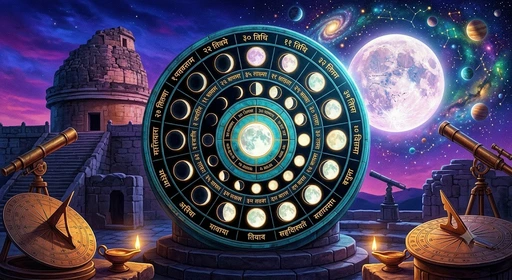
For centuries, it has been used as an astrological diary to determine the planetary positions and calculate auspicious times (Muhurats) for major life events like marriages, housewarmings, business openings, and festivals.
The 5 Limbs of Panchang Explained
To help your readers understand how it works, you can break down the five “limbs” into simple, conversational terms:
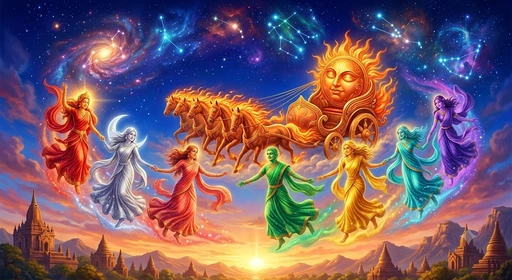
Tithi (The Lunar Day)
The Tithi refers to the position of the Moon relative to the Sun.
There are 30 Tithis in a lunar month.
They are split into two fortnights: Shukla Paksha (the waxing phase, leading to the full moon or Purnima) and Krishna Paksha (the waning phase, leading to the new moon or Amavasya).
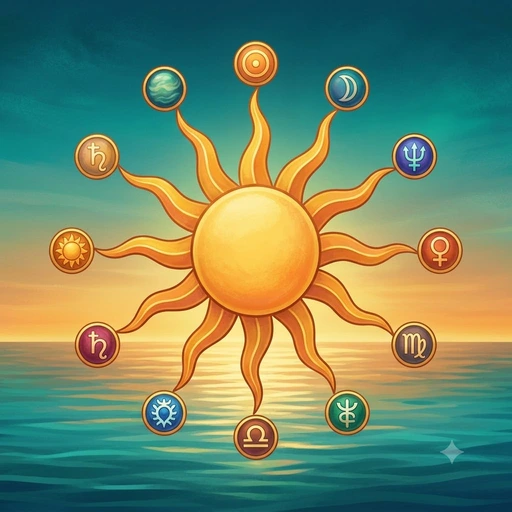
Vaar (The Day of the Week)
This is the simplest element—the seven days of the week, each ruled by a specific planet.
Ravivar (Sunday – Sun)
Somvar (Monday – Moon)
Mangalvar (Tuesday – Mars)
Budhvar (Wednesday – Mercury)
Guruvar (Thursday – Jupiter)
Shukravar (Friday – Venus)
Shanivar (Saturday – Saturn)
Nakshatra (The Lunar Mansion)
The sky is divided into 27 equal sectors or star constellations. As the Moon travels around the Earth, it passes through one Nakshatra roughly every 24 hours. The Nakshatra operating at a person’s birth heavily influences their core personality and thinking patterns.
Yoga (The Alignment)
Yoga means “union.” It is calculated by adding the mathematical positions of the Sun and the Moon. There are 27 different Yogas, and each carries either a positive (auspicious) or negative (inauspicious) energetic frequency that impacts actions performed during that time.

Karana (Half of a Tithi)
A Karana is exactly half of a Tithi. There are 60 Karanas in a full lunar month, classified into 4 fixed (Sthira) Karanas and 7 repeating (Chara) Karanas. They primarily indicate the type of actions or tasks that will yield success during that specific half-day window.
Why Should Someone Read the Panchang Daily?
You can add a section highlighting the practical, modern benefits to make the blog post highly relatable:
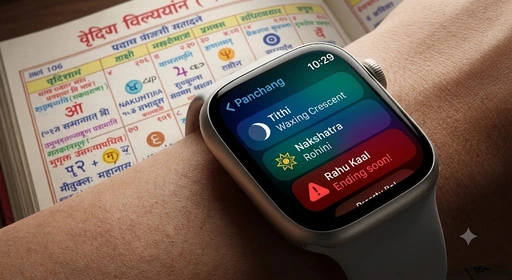
Finding the Perfect Timing (Muhurat): It helps avoid the chaotic windows of the day—like Rahu Kaal—and leverage highly productive windows like Abhijit Muhurat.
Festival Tracking: It explains the exact timings for rituals, fasts (Vrats like Ekadashi), and major celebrations.
Aligning with Cosmic Energy: Just like checking the weather report before going outside, checking the Panchang helps you understand the emotional and mental “weather” of the day.
How the Panchang Shapes Your Daily Energy
Every day, the planetary alignments create a specific cosmic “weather.” By understanding the details of the Panchang, you aren’t just looking at dates—you are looking at how the day’s energy interacts with your mind and actions.
The Dynamic Duos: Rahu Kaal vs. Abhijit Muhurat
One of the most practical reasons your readers will look up a daily Panchang is to calculate specific time windows:
Rahu Kaal: This is a 90-minute window every day ruled by Rahu. It is considered an inauspicious time to start anything new, sign contracts, or buy major assets, as actions taken now often face unexpected delays or illusions.
Abhijit Muhurat: Conversely, this is the most powerful midday window (roughly 24 minutes before and after local astronomical noon). It is highly auspicious and possesses the spiritual strength to clear minor energetic hurdles, making it perfect for initiating important tasks if a specific personalized Muhurat isn’t available.
Understanding Pakshas (The Bright & Dark Fortnights)
The way you plan long-term projects should align with the two main phases of the Moon (Tithi):
Shukla Paksha (The Waxing Moon): As the moon grows in light, cosmic energy expands. This fortnight is ideal for growth, launching businesses, beginning new habits, and public-facing activities.
Krishna Paksha (The Waning Moon): As the moon loses light, energy turns inward. This is a time for introspection, completion of existing projects, clearing debts, detoxifying, and spiritual practices like meditation.